Missouri Trucking Accident Lawyers
Missouri truck accident cases involve both Missouri personal injury law and the federal regulations that govern commercial trucking companies. When a serious semi-truck crash occurs anywhere in Missouri, the legal and factual issues are often far more complex than those in a typical car accident claim.
Missouri’s comparative fault rules, statutory deadlines, and evidentiary standards apply in conjunction with federal safety requirements enforced by the FMCSA. Truck accident litigation in Missouri commonly involves multiple potentially responsible parties — including the driver, the motor carrier, maintenance contractors, and cargo handlers — each of whom may bear legal responsibility for a catastrophic crash.
Because of the severity of injuries and the resources typically deployed by trucking companies after a collision, Missouri truck accident cases often require immediate investigation and experienced legal counsel familiar with both Missouri courts and federal trucking regulations.
As Missouri trucking lawyers, we represent individuals injured in serious commercial truck accidents throughout the state, including crashes involving semi-trucks, tractor-trailers, and other commercial motor vehicles.
Dangerous Truck Crashes Across Missouri
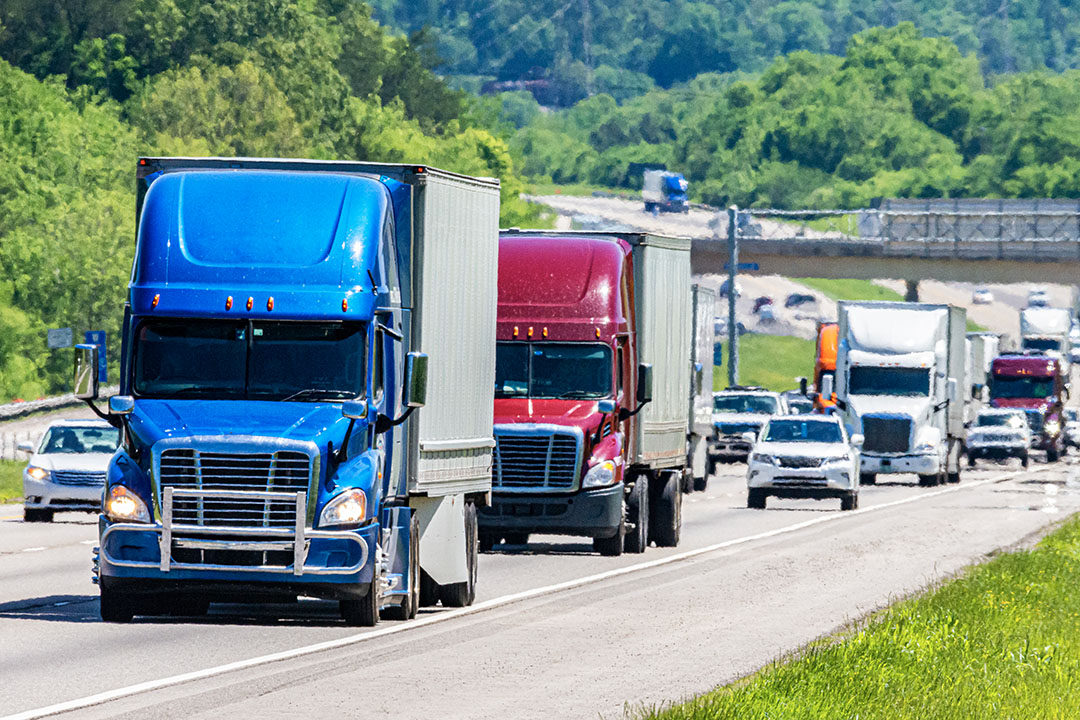
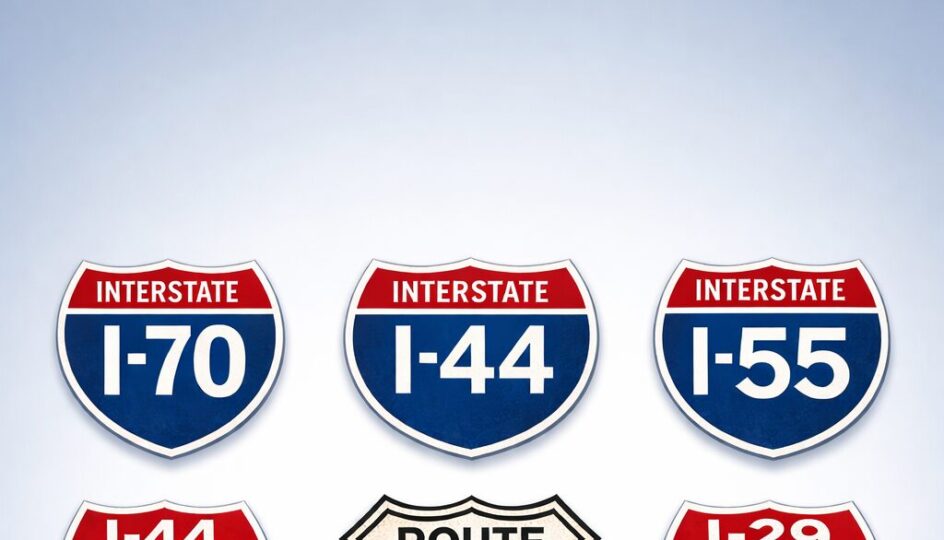
Missouri’s central location makes it a major corridor for commercial trucking traffic. Interstate 44, Interstate 55, Interstate 64, and Interstate 70 carry significant volumes of semi-trucks and other large commercial vehicles every day. As a result, serious truck crashes occur throughout the state with troubling frequency. Interstate corridors that carry heavy commercial traffic, along with two-lane rural roads from St. Louis to Kansas City, present unique risks due to speed differentials, limited visibility, and the size and weight of commercial trucks.
Missouri has ranked among the more dangerous states for drivers in recent national traffic safety reports. In 2022 alone, 2,308 large trucks caused injuries in crashes throughout the state of Missouri. Because of the size and weight of commercial vehicles, these collisions often result in catastrophic injuries or wrongful death.
Truck accident cases in Missouri frequently involve complex contributing factors, including driver fatigue, improper maintenance, overloaded trailers, and violations of federal safety regulations. When these safety failures contribute to a crash, Missouri law allows injured individuals to pursue compensation from the driver, trucking company, and other responsible parties.
What Makes Missouri Trucking Litigation Different from Typical Auto Accident Cases
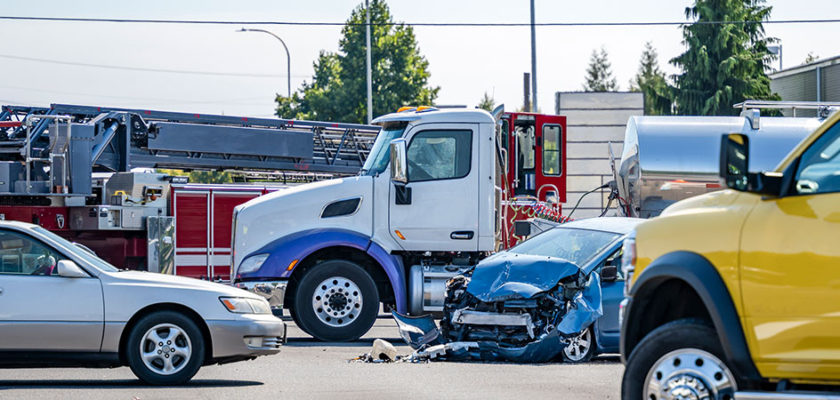
Missouri truck accident claims arise under the same negligence principles that govern passenger vehicle collisions, but commercial trucking cases involve additional regulatory and operational layers that are not present in ordinary automobile litigation.
In a standard car accident case, liability typically centers on the actions of the individual driver. In contrast, commercial trucking cases often require examination of both driver conduct and the motor carrier’s compliance with federal safety regulations. Trucking companies operate under a comprehensive regulatory framework that governs driver qualification standards, hours-of-service limits, inspection requirements, and recordkeeping obligations.
Because commercial carriers must maintain detailed safety documentation — including driver qualification files, electronic logging records, maintenance histories, and inspection reports — trucking litigation frequently involves analysis of corporate policies and systemic safety practices in addition to the events of the crash itself. The structure of the carrier’s operations, its supervision of drivers, and its regulatory compliance history may become relevant in ways that do not arise in typical passenger vehicle cases.
Commercial truck crashes also commonly involve multiple potentially responsible entities. Depending on the circumstances, liability may extend beyond the driver to the federally authorized motor carrier, equipment lessors, maintenance providers, freight brokers, or cargo loading companies.
For these reasons, Missouri trucking cases often require coordinated evaluation of state tort law and the federal regulatory environment governing commercial motor carriers — a dual framework that distinguishes them from routine automobile accident claims.

Statute of Limitations in Missouri Truck Accident Cases
Under Missouri law, most personal injury claims arising from a truck accident must be filed within five years of the date of the crash. This deadline applies to lawsuits seeking compensation for injuries caused by negligent truck drivers, motor carriers, or other responsible parties.
Wrongful death claims in Missouri are subject to a shorter statute of limitations. In cases involving a fatal truck accident, the claim must generally be filed within three years from the date of death. Because commercial trucking cases often involve multiple defendants and extensive investigation, early evaluation of filing deadlines is critical.
Failing to file a Missouri truck accident lawsuit within the applicable statute of limitations can permanently bar recovery, regardless of the severity of injuries or the strength of the evidence. For that reason, prompt consultation with a lawyer familiar with Missouri truck accident litigation is important.
Comparative Fault in Missouri Truck Accident Cases
Missouri follows a pure comparative fault system in personal injury cases, including truck accidents. Under this rule, an injured person may recover compensation even if they are partially responsible for the crash. However, any damages awarded are reduced by the percentage of fault assigned to that person.
For example, if a jury determines that an injured driver was 20% at fault for a collision involving a commercial truck, any financial recovery would be reduced by 20%. This rule makes fault allocation one of the most important issues in Missouri truck accident litigation.
In many Missouri truck accident cases, trucking companies and their insurers aggressively attempt to shift blame in order to limit financial exposure. Because commercial truck crashes often involve complex evidence — including driver logs, electronic data, maintenance records, and federal safety regulations — a thorough investigation is critical to accurately evaluating fault and protecting an injured person’s right to full compensation.
Federal Trucking Regulations (FMSCA) in Missouri Truck Accident Cases
In Missouri truck accident cases, federal regulations enforced by the Federal Motor Carrier Safety Administration (FMCSA) frequently play a central role in establishing negligence and liability. These rules set minimum safety standards for commercial drivers and motor carriers, and violations may serve as critical evidence when determining fault in a Missouri truck accident lawsuit.
FMCSA regulations govern nearly every aspect of commercial trucking operations, including hours-of-service limits, vehicle inspection and maintenance requirements, driver qualification standards, and safety oversight by motor carriers. When trucking companies or drivers fail to comply with these federal requirements, those violations often become a focal point of Missouri truck accident litigation.
Common categories of FMCSA violations involved in Missouri truck accident cases include:
Hours-of-Service Violations and Driver Fatigue
Federal rules strictly limit the number of hours a commercial truck driver may operate without rest in order to reduce fatigue-related crashes. In serious Missouri truck accidents, investigators frequently examine electronic logging device (ELD) data, driver logs, and dispatch records to determine whether hours-of-service limits were exceeded. Falsified logbooks or ignored fatigue rules can significantly increase the risk of catastrophic injury and may support claims of negligence against both the driver and the motor carrier.
Vehicle Inspection, Maintenance, and Repair
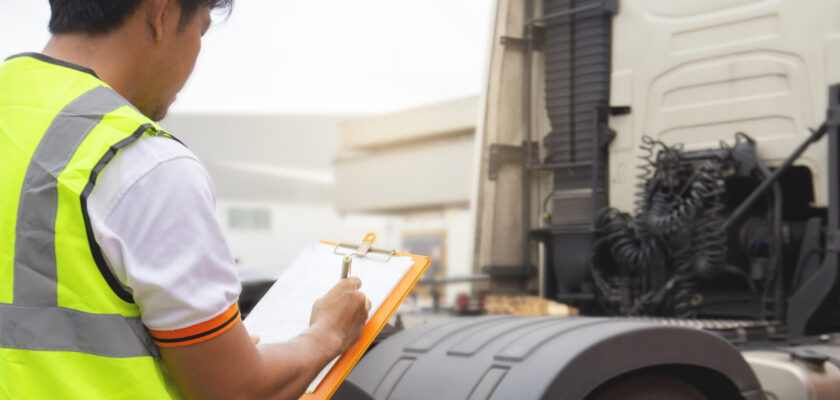
Federal regulations require trucking companies to regularly inspect, maintain, and repair commercial vehicles to ensure they are safe to operate. Equipment failures involving brakes, tires, steering systems, or other critical components frequently contribute to serious truck accidents and may support claims of negligent maintenance against the motor carrier.
Driver Qualification and Training
Federal regulations require trucking companies to ensure drivers are properly licensed, medically qualified, and adequately trained. Inadequate hiring practices or failure to monitor driver records may expose carriers to liability.
Drug and Alcohol Testing Requirements
Commercial drivers are subject to mandatory drug and alcohol testing under federal law. Violations of these testing requirements can significantly impact liability in Missouri truck accident claims.
In Missouri truck accident litigation, evidence of FMCSA violations can be critical in establishing negligence and identifying all responsible parties — including drivers, motor carriers, brokers, and third-party contractors.
Who Can Be Held Liable in a Missouri Truck Accident
In a Missouri truck accident case, liability may extend beyond the truck driver to multiple parties involved in the operation, maintenance, or oversight of the commercial vehicle. Because commercial trucking operations often involve several companies and contractors, identifying all potentially responsible parties is a critical step in determining how a crash occurred and who may be financially liable.
Depending on the circumstances of the collision, parties that may be held liable in a Missouri truck accident case include:
-
The truck driver
-
The trucking company or motor carrier
-
Freight brokers or logistics companies
-
Maintenance or repair contractors
-
Manufacturers of defective truck parts or equipment
Identifying all potentially liable parties is a critical step in pursuing full compensation after a serious Missouri truck accident, particularly when federal trucking regulations or safety violations are involved.
How Missouri Truck Accident Investigations are Handled
In Missouri truck accident cases, liability is often determined by evidence that must be preserved quickly after a crash. Commercial trucking companies are required to maintain specific records and electronic data, making early investigation essential to proving how and why the collision occurred. In serious trucking crashes, insurance and defense teams may begin investigating the scene shortly after the collision, making early action important to protect an injured person’s interest.
Preserving Evidence After a Truck Accident
In serious truck accident cases, critical evidence can be lost within days if steps are not taken to preserve it. Trucking companies and their insurers often control driver records, maintenance logs, onboard data, and post-crash reports, all of which may be relevant to determining fault. In Missouri trucking cases, formal preservation requests—often referred to as spoliation letters—are used to notify carriers of their obligation to retain this evidence and prevent its alteration or destruction. Acting quickly helps ensure that key records remain available as the claim or lawsuit moves forward.
Electronic Logging Devices and Truck “Black Box” Data
Most commercial trucks are equipped with Electronic Logging Devices (ELDs) and other onboard systems that record information about how a truck was operated before a crash. This data may include hours of service, speed, braking activity, and engine performance. In Missouri truck accident cases, these records can be critical to identifying violations of federal trucking regulations, such as exceeding allowable driving hours or failing to take required rest breaks. Because this electronic data can be overwritten or lost if not preserved promptly, early investigation is often essential to securing it and using it as evidence.
Accident Reconstruction in Missouri Trucking Cases
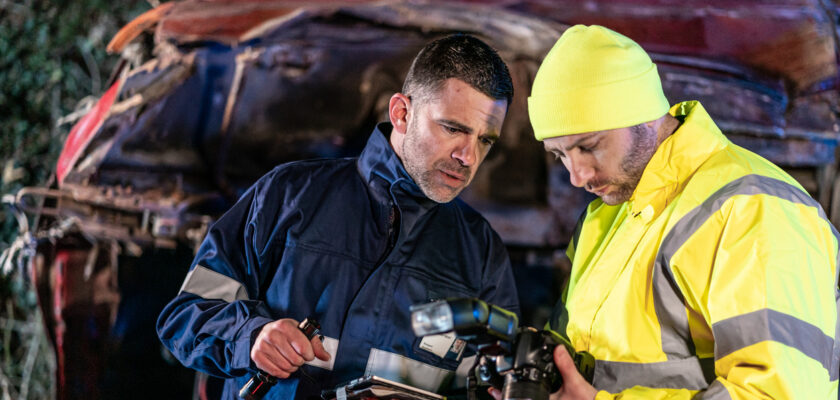
In severe or disputed truck accident cases, accident reconstruction may be used to analyze how the collision occurred. This process can involve reviewing physical evidence from the scene, vehicle damage, electronic data, and roadway conditions to evaluate factors such as speed, braking, and points of impact. In Missouri trucking cases, reconstruction can be especially important when multiple parties are involved or when liability is contested, helping to clarify the sequence of events and support or refute claims made by trucking companies and insurers.
When evaluating a Missouri truck accident lawyer, experience with federal trucking regulations, early evidence preservation, and familiarity with complex, high-severity claims are often key considerations. Truck accident cases may involve multiple defendants, layered insurance coverage, and disputes over regulatory compliance, making specialized knowledge and preparation especially important. In some Missouri truck accident cases, disputes over fault, regulatory compliance, or damages may require formal litigation to be resolved.
Most Missouri trucking accident cases begin with an initial investigation and consultation, followed by evidence preservation and insurance claims or litigation depending on the facts of the crash and the parties involved.
Common Types of Truck Accidents in Missouri
Truck accidents in Missouri can occur in many different ways, often resulting in severe injuries due to the size and weight of commercial vehicles. Certain types of truck crashes are more likely to involve complex liability issues and serious harm to occupants of smaller vehicles.
Common types of truck accidents in Missouri include:
-
Jackknife truck accidents
-
Underride truck accidents
-
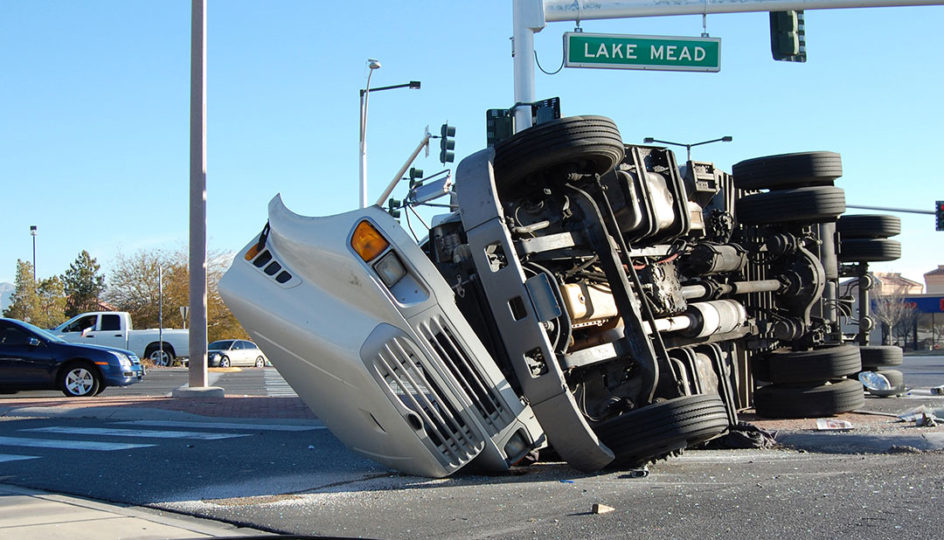
Rollover truck accidents
-
Rear-end truck collisions
-
Head-on truck collisions
-
Accidents involving improperly loaded or unsecured cargo
-
Crashes caused by fatigued or distracted truck drivers
The specific type of truck accident involved can play an important role in determining how a crash occurred, which parties may be responsible, and what evidence is required to pursue a claim.
For a more detailed explanation of how different truck crashes occur and why they are especially dangerous, see our overview of different types of truck accidents.

Missouri Truck Accident FAQs
How long do I have to file a truck accident lawsuit in Missouri?
Missouri law generally allows five years from the date of a truck accident to file a personal injury lawsuit. Wrongful death claims may be subject to a shorter deadline. Failing to file within the applicable statute of limitations can permanently bar recovery.
Are truck accident cases different from car accident cases?
Yes. Truck accident cases often involve federal trucking regulations, commercial insurance policies, and multiple potentially responsible parties. These factors make trucking cases more complex than standard passenger vehicle accidents.
Who can be held responsible for a truck accident in Missouri?
Depending on the circumstances, responsible parties may include the truck driver, the trucking company or motor carrier, freight brokers, maintenance contractors, or manufacturers of defective truck components.
What if I was partially at fault for the truck accident?
Missouri follows a pure comparative fault system. An injured person may still recover compensation even if they were partially at fault, though any recovery may be reduced based on the percentage of fault assigned.
What role do federal trucking regulations play in Missouri truck accident cases?
Federal trucking regulations govern driver hours, vehicle maintenance, driver qualifications, and safety practices. Violations of these regulations can be important evidence in establishing negligence and liability in a Missouri truck accident case.
What types of injuries are common in truck accidents?
Because of the size and weight of commercial trucks, these crashes often result in severe injuries, including traumatic brain injuries, spinal cord injuries, broken bones, internal injuries, and fatalities.
What is a truck’s “black box,” and why does it matter in a Missouri truck accident case?
A truck’s “black box” refers to onboard electronic systems, including Electronic Logging Devices (ELDs), that record data about how a commercial truck was operated. This information may include driving hours, speed, braking, and other performance data from before a crash. In Missouri truck accident cases, black box data can help identify violations of federal trucking regulations and clarify how a collision occurred, but it must be preserved quickly before the data is overwritten or lost.
Trucking Accidents In The News
Read More News Alerts
Fatal Head On Truck Crash Near Sullivan
A semi crossed over the median into the eastbound lane of I-44 near Sullivan, resulting in a fatal head on truck crash with a…
Woman Killed in Freightliner Truck Crash
The St. Louis Metropolitan Police responded to a Freightliner truck crash at around 3am on March 2nd at I-70 near O’Fallon Park. A 23-year-old…
Fatal Truck Accident in St. Charles County
On January 31, 2024, a local news outlet reported Christine Schneider, a 60 year-old from Bridgeton, Missouri, died from a crash with a tractor…
Semi Truck Rollover in Lincoln County
A semi truck collided with a GMC Sierra and overturned, blocking the southbound lanes of Highway 61 in Troy, Missouri. The 26-year-old truck driver…
Tractor Trailer Veers Off I-44
On Sunday morning, first responders were called to I-44 eastbound just past Shrewsbury Avenue due to an overturned semi-truck down an embankment. The driver…
I-44 Semi Truck Crash Near Pacific
A 55-year-old woman was pronounced dead at the scene of an accident on I-44 W at mile marker 257 on the night of October…
Fatal Truck Crash Near Enterprise Center
An overnight accident involved a collision with a car and a box truck at 14th and Clark. The truck hit the driver side of…
Tanker Truck Jackknife Results in Chemical Spill in Central Illinois
A tanker truck carrying caustic anhydrous ammonia jackknifed when another vehicle tried to pass the truck. This resulted in the tanker hitting a utility…

Fatal Greyhound Bus Crash in Highland, IL
Greyhound bus crashed into tractor trailers parked to the side of a rest area exit on Wednesday, July 12. The crash led to multiple…
Catastrophic Injuries in Truck Accident Cases
Since 2016, the number of trucks involved in injury crashes has grown 15% and large semi trucks account for 9% of all vehicular crash fatalities in the country. Our St. Louis truck injury lawyers have worked on cases ranging from minor injuries to life-altering injuries with months of recovery. No matter the size of the truck wreck your client experienced, we are here to provide guidance, expertise and enduring loyalty to all we represent.
Serious truck wreck injuries include:
- Head and Neck Injuries
- Back Injuries
- Spinal Cord Injuries
- Paralysis
- Severe Burns and Lacerations
- Traumatic Brain Injuries
- Wrongful Death

Work with an Experienced Truck Injury Lawyer
Truck wrecks are scary and oftentimes lead to serious injuries or death. Whether your client experienced a life-altering truck crash on I-70, collided with a truck in a rural road accident or lost a loved one in a city truck accident, our truck accident lawyers are at your side until justice is earned.
If you are seeking a trucking expert to help with your client’s case, call our dedicated team of truck accident lawyers to refer your case.