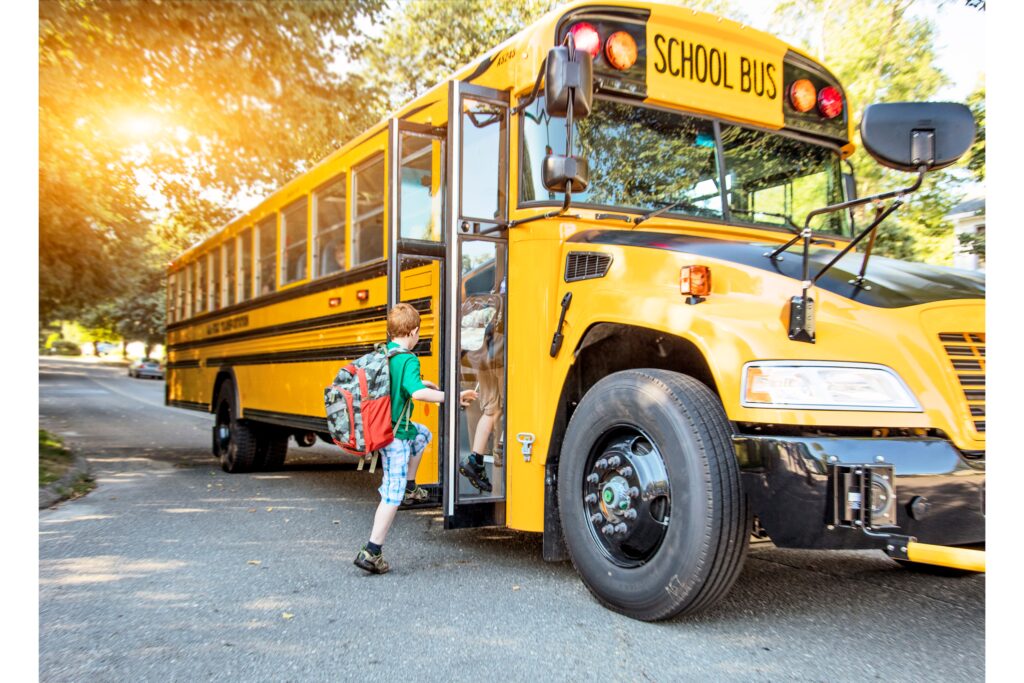
As summer comes to an end, school buses return to the streets of St. Louis and throughout Missouri. The beginning of a new school year is an important time for drivers, parents, and students to review school bus safety and understand how to help prevent serious accidents.
School buses are among the safest forms of transportation for children traveling to and from school. However, school bus accidents can occur when drivers fail to recognize a stopped bus, ignore warning signals, or illegally pass a school bus while children are getting on or off.
For families preparing for the new school year, understanding Missouri school bus laws and following a few basic safety practices can help reduce the risk of preventable crashes and injuries.
Understanding Missouri School Bus Stop Laws
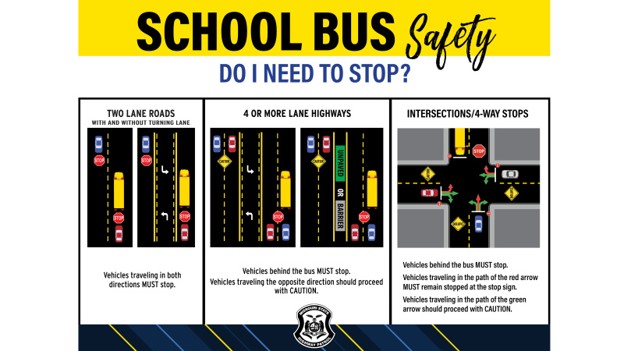
Drivers have a legal responsibility to stop when required by law for a school bus displaying its stop signals. Depending on the circumstances and the type of roadway, drivers may be required to stop in both directions or only when traveling behind the bus.
Illegally passing a stopped school bus can put children at serious risk of being struck while crossing the roadway or walking near the bus.
The Missouri State Highway Patrol provides guidance showing when motorists are required to stop for a school bus.
Missouri School Bus Passing Penalties
Effective August 28, 2026, following the passage of SB 1421, a driver convicted of failing to stop for a school bus that is receiving or discharging students will be assessed 5 points.
Additional penalties include:
- First offense: A discretionary court-ordered driver’s license suspension and a fine of $500 to $1,000.
- Second offense within 5 years: A mandatory 90-day driver’s license suspension and a fine of $1,000 to $2,000.
- Third or subsequent offense within 5 years: A mandatory 180-day driver’s license suspension and a fine of $1,500 to $3,000.
- Increased penalties: Penalties are heightened if a child is struck, injured, or killed.
When in doubt, drivers should take the safest course of action: stop and remain stopped until the bus’s warning signals are no longer active and it is safe and lawful to proceed.
Slow Down in School Zones
Back-to-school traffic can significantly change familiar driving patterns. School zones may have lower speed limits, increased pedestrian traffic, crossing guards, school buses making frequent stops, and children walking or riding bicycles near the roadway.
Drivers should:
- Slow down in and around school zones.
- Eliminate distractions while driving.
- Watch carefully for pedestrians and bicyclists.
- Be prepared for children to enter the roadway unexpectedly.
- Follow posted school-zone speed limits and traffic signs.
Drivers should also avoid distractions such as texting, adjusting a navigation system, or reaching for objects while approaching a school zone or school bus stop.
A few extra seconds of caution can make a significant difference when children are present.
Give School Buses Plenty of Room
School buses may stop frequently and sometimes without much advance notice. Drivers should avoid following too closely and should anticipate that a bus may stop at designated locations to pick up or drop off students.
When approaching a school bus displaying flashing warning lights or a stop sign, drivers should pay close attention to the bus’s signals and the surrounding roadway.
Never attempt to pass a stopped school bus simply because the delay is inconvenient. A few seconds of waiting could help prevent a serious school bus accident.
Teach Children Safe School Bus Stop Habits
Parents and caregivers can help children develop safe habits before the first day of school.
Children should wait for the bus in a safe location away from traffic and avoid playing near the roadway. When the bus arrives, children should remain in a designated waiting area until the bus has stopped completely and the driver signals that it is safe to board.
After leaving the bus, children should stay away from the vehicle and avoid walking behind it. If a child needs to cross the street, the child should follow the driver’s instructions and use the safest designated crossing area.
Parents should also remind children that being visible to motorists is important, particularly during early-morning and afternoon hours when visibility may be limited.
What Should You Do After a School Bus Accident?
Even when drivers, school transportation providers, parents, and students take appropriate precautions, school bus crashes and other transportation accidents can still happen.
If you or your child is injured in a school bus accident, seek appropriate medical attention and document the circumstances of the crash as soon as possible.
Depending on the circumstances, potentially important evidence may include:
- Photographs of the accident scene and injuries
- Witness names and contact information
- Police or crash reports
- Medical records
- Available video footage
- Information about the vehicles involved
- Information about the drivers and other potentially responsible parties
School bus accidents can involve complicated legal and insurance issues. Depending on the circumstances, a claim may involve questions concerning negligence, insurance coverage, governmental entities, school districts, transportation companies, and applicable legal deadlines.
Injured in a School Bus Accident in Missouri?
If you or your child was injured in a St. Louis or Missouri school bus accident because another person or entity failed to act reasonably, you may have legal options.
The attorneys at Muchnick Haber Margolis can help you understand your rights and evaluate the circumstances of your accident.
Contact Muchnick Haber Margolis to discuss your legal options after a school bus accident.